
Gym Financing Case Study: How We Got Funding to Open a Gym
The key takeaway: some lenders don’t appreciate how the fitness industry operates, so if you want to get funding to open a gym, it’s important to prioritize choosing the right lender or financing partner.
A group of clients with a combined net worth of around $50 million, strong banking relationships, a consistent record of successful ventures, and multiple paid-off previous loans walked into their bank to secure a gym loan… and walked out with nothing.
Read on to find out what really happened, what it reveals about the hidden complexity of gym loans, and how we helped the client group to secure a multi-million-dollar loan after a traditional bank said no.
Understanding the Challenge of Gym Financing
Knowing how gym financing works, including finding lenders who appreciate the industry can make all the difference in whether your project moves forward.
That’s because many banks still classify gyms and fitness centers as high-risk businesses, which makes financing difficult even for successful, wealthy entrepreneurs.
The Project Background
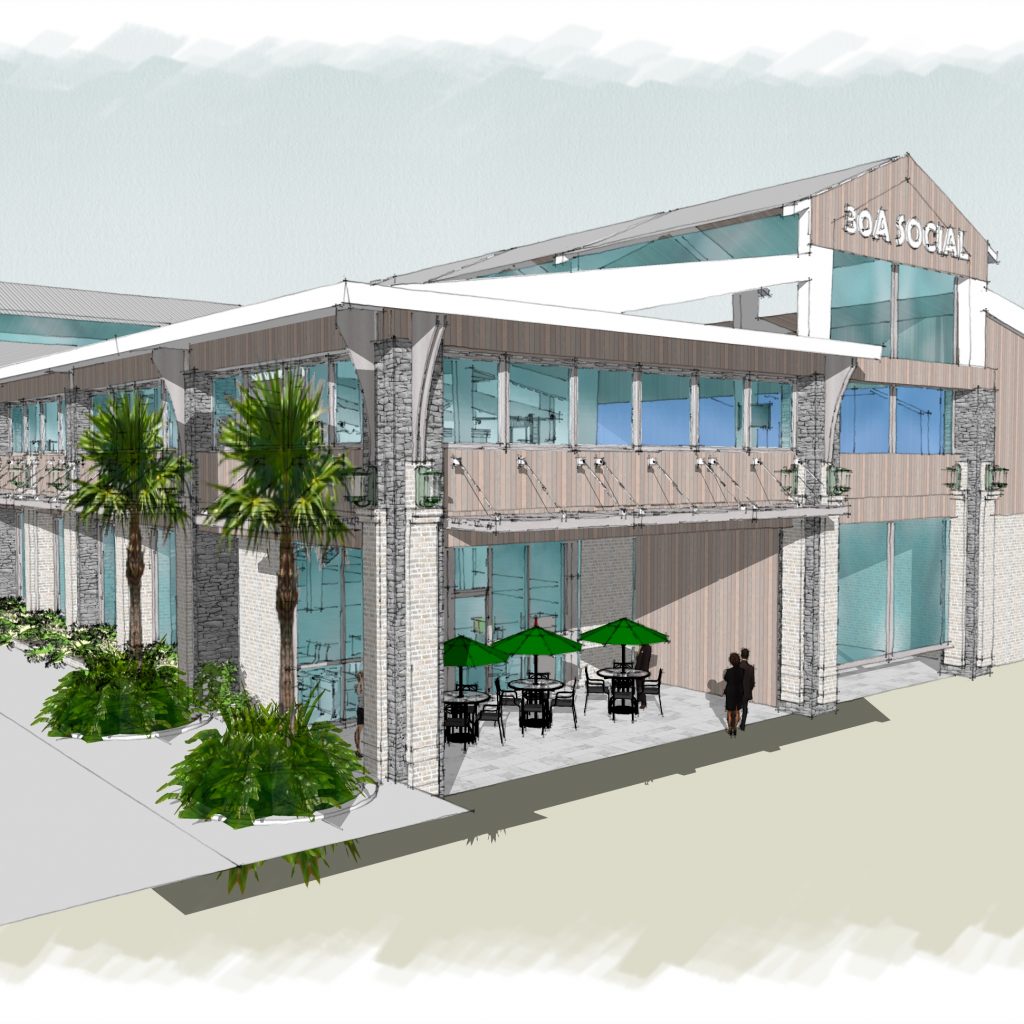
A recent project of ours (which is currently under construction in Northern Florida at the time of writing) highlights how this plays out in practice.
Four business partners with a combined net worth of around $50 million planned a 40,000-square-foot fitness facility with a total project cost of $20 million. They had strong banking relationships, a consistent record of successful ventures, and multiple bank loans that were paid off.
Financially, they appeared to be ideal borrowers.
The Funding Roadblock
Despite their track record, the partners were denied funding. Their bank decided not to move forward because it considered the gym industry too risky.
The issue wasn’t about their creditworthiness, but about the bank’s perception of the industry. Many traditional lenders don’t fully comprehend the economics of fitness operations, which include recurring membership revenue, seasonal patterns, and long-term income growth.
To get this project funded, they needed a lender who appreciated the industry and recognized the group’s ability to provide stability for the business.
Fortunately, we have worked with lenders such as Live Oak in Virginia and Celtic Bank in Utah, which are large banking institutions that work with the SBA and are comfortable providing large loans to gyms and restaurants, though these types of businesses are often hard to get funding for.
How to Actually Get Funding to Open a Gym
Make sure you find the right lender. For fitness business owners and investors, seeking loans from specialists who know the industry should be the top priority.
In the end, our team helped them connect with and get a loan from an SBA-focused lender that specialized in gym and fitness facility financing. Because this lender was familiar with industry dynamics, they were able to evaluate the business plan more accurately and approve the loan.
Loan secured. Mission accomplished!
For a deeper dive into how structured SBA 504 loans for gyms and fitness centers work, this SBA 504 Loan Guide breaks down eligibility, terms, and how these loans can support larger fitness projects.
Want Help Getting Funding?
If you want expert support preparing your package and choosing the right lender, our gym and health club financing consulting can help you. Fill out the form below for a free consultation with us.