How Much Does It Cost to Open a Gym: Full Guide & Breakdown
Key Points
- For those wondering how much it costs to open a gym, there is a huge range, from as little as $50,000 for a small, simple facility in a warehouse type space, and $1,000,000 to $5,000,000+ for a traditional full‑service gym, with luxury gym or large multi-purpose fitness/recreation facilities reaching into the millions and, at the extreme, around $20,000,000 and finally mega facilities like Lifetime Athletic Clubs can be as much as $50,000,000.
- Most gym startup budgets go into lease or property costs, build‑out and renovation, equipment, licenses and insurance, technology and launch marketing, and at least several months of working capital.
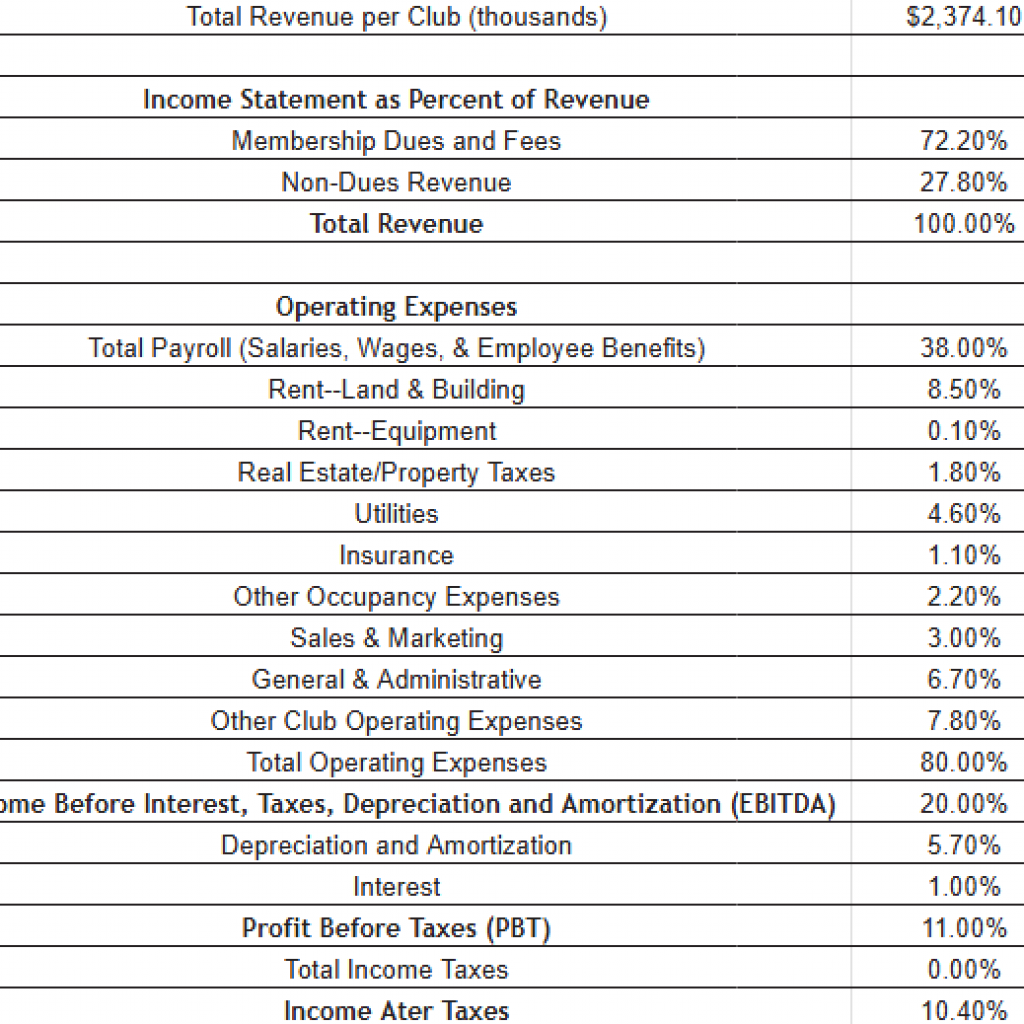
- Monthly operating costs usually fall between 75% to 85% of the revenues, with rent, payroll, utilities, marketing, software, and maintenance as the main expenses, plus a recommended 10–15% contingency and extra reserves to handle hidden build‑out, compliance, and repair surprises.
- Many successful first gyms keep costs down by starting lean, with funding usually involving loans, personal savings, and partners or investors, with improved odds of getting a loan by choosing a lender who understands the industry.
- How Much Does It Cost to Open a Gym: Cost Ranges
- Breakdown
- Total Startup Investment: Example Ranges
- Monthly Operating Costs Once You’re Open
- Real‑World Approaches: Lean vs. Fully Built Out
- How to Fund a New Gym
- How to Get a Gym Loan: An Expert Tip
- Hidden and Unexpected Costs to Plan For
- Operating Cost as Percent of Revenue
- Want Help Running The Numbers For Your Gym?
How Much Does It Cost to Open a Gym: Cost Ranges
According to industry benchmarks, opening a gym typically runs from about $50,000 on the low end for a small facility to $500,000+ for a traditional full‑service gym, and up to several million for certain franchises. Based on our work, the higher end can go up to $20,000,000 for larger, upscale projects.
Here’s a quick look at what you’re really looking at:
| Gym type / model | Typical startup range | Notes |
|---|---|---|
| Very lean concept (sublease, minimal gear) | $100,000 – $300,000 | Subleasing space, limited equipment, solo operator. |
| Small studio (yoga, martial arts, PT studio) | $50,000 – $400,000 | Lower equipment costs, modest build‑out. |
| CrossFit / strength box | $50,000 – $250,000 | Specialty rigs, barbells, plates; warehouse‑style build‑out. |
| Boutique studio (HIIT, cycling, boxing) | $150,000 – $500,000 | High‑finish design, brand‑name equipment. |
| Small gym (5,000–15,000 sq ft) | $150,000 – $500,000 | Mix of machines, free weights, moderate build‑out. |
| Big‑box gym (15,000+ sq ft) | $300,000 – $500,000+ | Extensive machines, locker rooms, showers, usually low to mid-priced memberships. |
| High‑end / luxury / large multi-purpose fitness/recreational facilities | $5,000,000 – $20,000,000+ | Pools, spas, multiple levels, prime locations. |
| Mega luxury facilities like Lifetime Athletic Clubs | $35,000,000-$50,000,000+ | All-in resorts-level facility |
These figures include major one‑time costs (lease deposits, build‑out, equipment, professional fees, launch marketing) plus several months of working capital to keep the lights on while membership grows.
Breakdown
Most of your upfront budget will fall into the categories below.
1. Lease or Property Costs
Your space is usually the single biggest driver of both startup and ongoing costs. Typical items include:
- Lease deposits and initial rent: Many landlords require first month, last month, and a security deposit, often totaling $10,000–$50,000+ depending on your city and space size.
- Typical lease rates: Commercial gym‑suitable spaces commonly run on a per‑square‑foot annual basis, with warehouse/industrial often cheaper and prime retail far higher.
- Buy vs. lease: Purchasing real estate demands far more capital upfront but can make sense for established operators; first‑time owners almost always lease.
If you can find a former gym or studio with flooring, mirrors, and HVAC already in place, you can save tens of thousands on build‑out.
2. Build‑Out and Renovation
Converting a generic box into a functioning gym can range from a cosmetic refresh to a full construction project. These ranges reflect calculations for small to mid-sized gyms in the non-luxury category.
Typical ranges:
- Cosmetic refresh (paint, signage, minor fixes): $10,000 – $50,000
- Moderate renovation (flooring, mirrors, front desk, lighting): $30,000 – $100,000
- Major build‑out (HVAC, plumbing, locker rooms, structural work): $75,000 – $500,000+
Costs are affected by:
- Size and condition of the space
- Whether bathrooms/showers already exist
- Level of finish (raw warehouse vs. polished boutique studio)
3. Equipment
Equipment is the other big ticket item, and the mix depends entirely on your model.
Indicative ranges for a typical facility:
- Strength training (racks, barbells, dumbbells): $15,000 – $50,000
- Cardio (treadmills, bikes, rowers): $20,000 – $100,000
- Specialty gear (mats, rigs, reformers): $10,000 – $60,000+
- Accessories (bands, kettlebells, medicine balls, rollers): $2,000 – $20,000
- Non‑training items (front desk, TVs, sound system): $3,000 – $30,000
New vs. used: Used commercial equipment often sells for 40–60% of retail, which can chop tens of thousands off your initial spend if you’re willing to buy refurbished gear or tap gym liquidations.
Buy vs. lease: Many owners buy strength equipment but lease expensive cardio machines to lower upfront costs at the expense of higher monthly payments.
4. Licenses, Permits, Legal, and Insurance
These “paperwork” items are easy to underestimate but non‑negotiable.
Common costs:
- Business formation (LLC, corporation)
- Business licenses and permits
- Music and seller’s permits
- Legal fees (lease review, waivers, contracts)
- Insurance (general liability, professional liability, property, workers’ comp)
Depending on your location and complexity, this can range from a few thousand dollars to well over $15,000 in the first year.
5. Technology, POS, Branding, and Launch Marketing
You need systems and a brand, not just four walls and weights.
Typical expenses:
- Gym management software: often $75 – $200/month for billing, booking, and member management
- POS hardware
- Website: DIY on the low end; custom builds on the higher end
- Branding (logo, signage, materials)
- Grand‑opening marketing: pre‑sale campaigns, ads, and events, often $3,000 – $15,000+
6. Working Capital (Your Survival Buffer)
Most gyms take 6–12 months to break even, and some take longer, which means you must budget for several months of operating expenses in cash.
- A common recommendation is 3–6 months of expenses, which might mean $15,000 – $90,000 in working capital depending on your monthly burn.
- Many experienced owners advise adding 10–15% on top of your best estimate to handle the inevitable surprises.
Total Startup Investment: Example Ranges
Putting the main categories together, a typical independent gym might see something like this:
| Category | Low end | High end |
|---|---|---|
| Lease deposit | $10,000 | $50,000 |
| Build‑out / renovation | $10,000 | $500,000+ |
| Equipment | $10,000 | $260,000+ |
| Licenses, legal, insurance | $3,000 | $15,000+ |
| Technology, branding, marketing | $5,000 | $15,000+ |
| Working capital (3–6 months) | $15,000 | $90,000+ |
| Estimated total | $53,000 | $930,000+ |
This aligns with the general range of roughly $53,000 on the low end to $930,000+ for a traditional full‑service gym, with specialized, large, or luxury projects reaching into the millions and, at the extreme, up to around $20,000,000 for top‑tier builds.
Monthly Operating Costs Once You’re Open
After launch, your focus shifts from startup capital to monthly operating costs.
Common ongoing expenses include:
- Rent
- Payroll (coaches, front desk, cleaners, management)
- Utilities (electricity, water, HVAC, internet)
- Insurance
- Marketing and advertising
- Software and technology
- Maintenance, cleaning, towels, and supplies
Typical monthly ranges by gym size:
| Category | Small gym | Mid‑size gym | Large gym |
|---|---|---|---|
| Rent | $2,000 – $5,000 | $5,000 – $10,000 | $20,000+ |
| Payroll | $0 – $5,000 | $5,000 – $15,000 | $40,000+ |
| Utilities | $500 – $1,000 | $1,000 – $2,000 | $4,000+ |
| Insurance | $200 – $400 | $300 – $500 | $1,000+ |
| Marketing | $500 – $1,500 | $1,500 – $3,000 | $5,000+ |
| Software & tech | $100 – $250 | $200 – $400 | $500+ |
| Maintenance & supplies | $200 – $500 | $500 – $1,000 | $2,000+ |
| Total monthly | $3,500 – $13,650 | $12,500 – $31,900 | $72,500+ |
Two useful rules of thumb:
- Try to keep rent under 15% of revenue; above that, margins get tight fast.
- Plan to spend about 5% of revenue on marketing to keep member growth healthy, but much more needs to be spent to start.
Real‑World Approaches: Lean vs. Fully Built Out
Most successful first gyms start leaner than the averages suggest.
Common strategies:
- Sublease or share space instead of committing to a long, expensive lease.
- Start with must‑have equipment only and let revenue fund upgrades.
- Pre‑sell memberships at a discounted “founders rate” to fund build‑out and initial expenses.
- Do more yourself in year one (coaching, cleaning, admin) and hire gradually as revenue grows.

How to Fund a New Gym
Covering these costs usually involves a mix of several funding sources:
- Government‑backed or bank loans
- Personal savings / bootstrapping
- Pre‑sales (“founders memberships”)
- Partnerships and investors
Each option trades off control, risk, and speed, so your capital structure should match your long‑term goals and your appetite for financial leverage.
For a deeper breakdown of gym financing options, costs, and lender types, you should read our Gym Financing Guide.
How to Get a Gym Loan: An Expert Tip
When applying for a gym loan, come prepared with a detailed business plan, realistic financial projections, proof of industry experience, and a clear breakdown of how much capital you need and what it will be used for.
Lenders also like to see that you have some skin in the game (personal investment), a solid credit history, and a thoughtful plan for membership growth and marketing so they can understand how the business will repay the loan.
An expert tip: because some lenders don’t really understand how the fitness industry operates, it’s crucial to prioritize choosing the right lender or financing partner, one that understands or has experience in the industry.
Applying under the right lender can dramatically improve your chances of approval and help you structure terms that make sense for a gym business.
For a real-life example of that tip in action, read our Gym Financing Case Study: How We Got Funding to Open a Gym, which walks through how we helped a client group to secure a multi-million-dollar loan after a traditional bank said no.
Hidden and Unexpected Costs to Plan For
It’s almost always more expensive than planned, often by at least 10–15%.
Common surprises:
- Higher‑than‑expected build‑out and contractor costs
- Shipping and installation for heavy equipment
- Additional permits, inspections, and code‑compliance work
- Insurance premium changes or added coverage
- Emergency repairs and replacements in the first year
Adding a 10–15% contingency on top of your startup budget is a practical way to build a margin of safety into your plan.
Operating Cost as Percent of Revenue
If you want a look into the operating costs as percent of revenue, you can see the figures here.
If you’re mapping out startup costs and/or funding options, our acquire financing consulting services would be of help you. You might also want to check out IDEA Health and Fitness Association’s guide on how to finance a new fitness studio for related reading.